SONiC
Open, scalable switching infrastructure built on a Linux-based NOS with the flexibility to match the hardware, deployment role, and support model your network needs.
What is SONiC?
SONiC, or Software for Open Networking in the Cloud, was originally developed by Microsoft and contributed to the Open Compute Project. It gives network teams a fully featured, Linux-based NOS that can be matched to the hardware profile and operating model they actually want.
That makes it a strong fit when your priority is reducing lock-in, aligning hardware with specific workloads, or building a fabric that can evolve without forcing a full platform reset.
Linux Native
Built on a familiar Linux foundation with containerized, modular service architecture.
Hardware Choice
Pair the NOS with whitebox platforms that match your density, speed, and role requirements.
Cloud-Proven DNA
Production adoption in hyperscale-style environments shaped its maturity and scale profile.
Why Adopt SONiC?
The benefit is not just cost or openness in isolation. It is the ability to shape the full hardware-plus-software stack around real deployment needs.
Less Lock-In
Choose switching platforms and evolve designs without tying roadmap decisions to a single closed stack.
Role-Based Fit
Use the same operating approach across high-density fabrics, campus aggregation, and management layers.
Operational Confidence
Standard maintenance, escalation paths, and software support help reduce adoption friction.
Future Readiness
Expand around new speed tiers, automation requirements, and changing workloads without redesigning from zero.
Clear path from design to stable operations.
Successful SONiC rollouts work best when platform, hardware and support are aligned as one motion.
Plan the role
Decide where SONiC fits: fabric leaf, spine, enterprise distribution, management, or visibility edge.
Map the platform
Align hardware density, uplinks, and optics to the workload instead of forcing a one-size platform.
Stage support early
Bundle maintenance, software lifecycle, and escalation options into the original deployment plan.
Scale deliberately
Extend the same operating pattern into new pods, buildings, or use cases without rewriting the model.
Different environments. One open foundation.
Our Ready-to-Plug SONiC Switches for every deployment scenario.
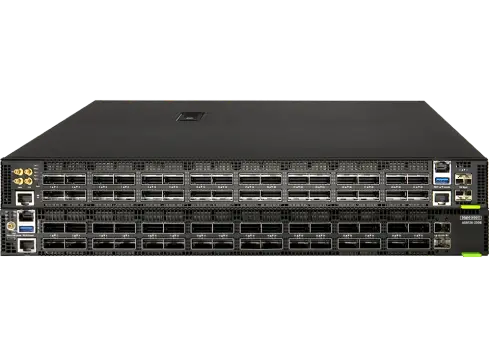
High-density fabric roles
Use SONiC in leaf, spine, or superspine layers where scale, consistency, and switching efficiency matter most.
- High-speed uplinks and dense port profiles
- Fits modern east-west traffic patterns
- Strong match for growth-oriented fabrics
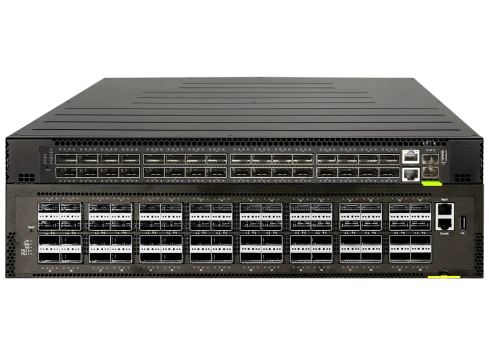
Core and campus flexibility
Bring an open NOS approach into enterprise environments that need dependable switching without losing platform choice.
- Useful for aggregation and campus edge designs
- Supports staged modernization strategies
- Lets hardware follow real role requirements
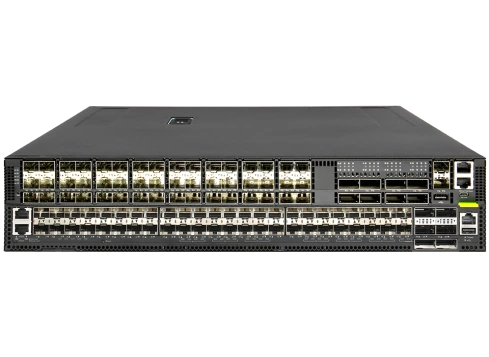
Management and visibility layers
Use compact and cost-conscious platforms where access, out-of-band control, or traffic handling needs a stable open base.
- Useful for management and OOB roles
- Pairs well with open visibility strategies
- Extends SONiC beyond the main fabric

SONiC Support Services
Got your own hardware? No problem! Whether it's new or existing, our support services ensure optimal performance and peace of mind for your technology investment.
Standard 8x5 Support
Level 1-3 assistance during business hours for routine issues.
Premium 24x7 Support
Round-the-clock support for critical issues and emergencies.
Level 3 Support Only
Expert-level support for complex SONiC deployments.