Skip to Content

Our Latest Blogs

LATEST

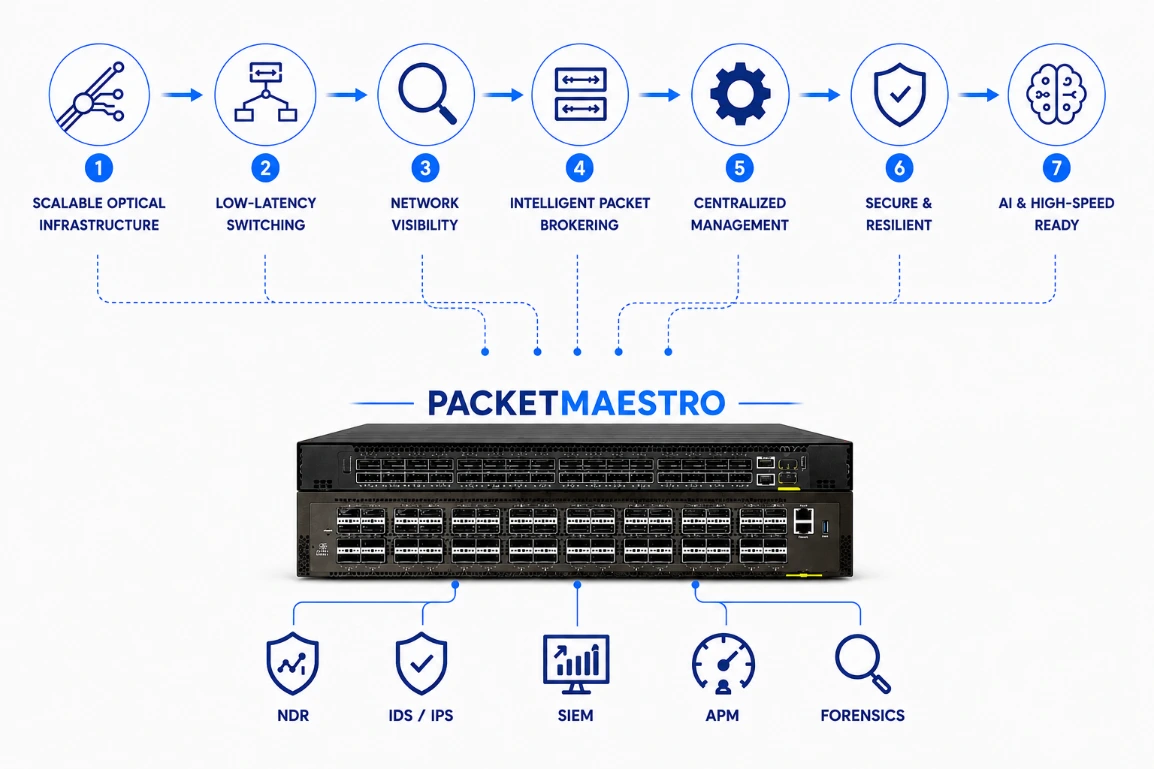
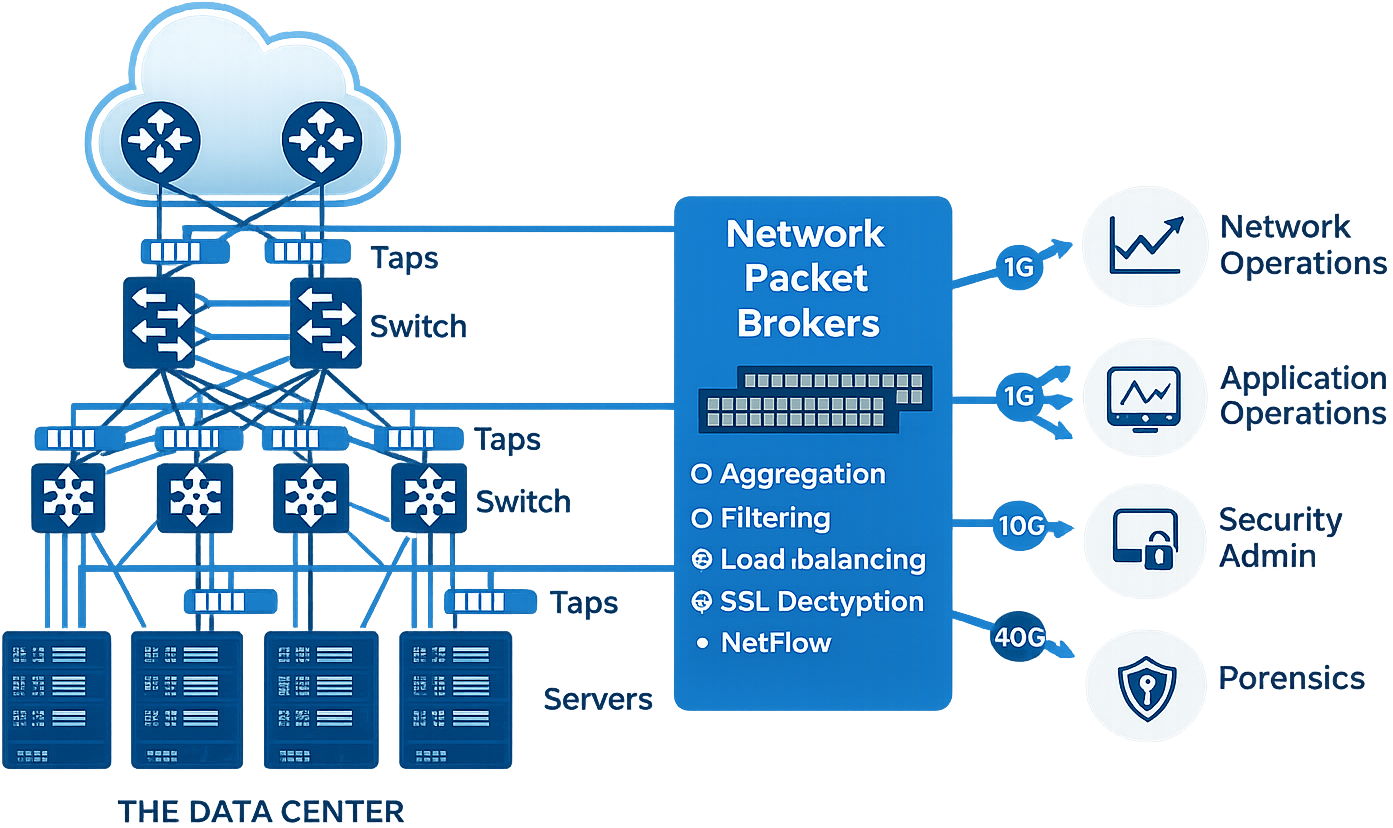
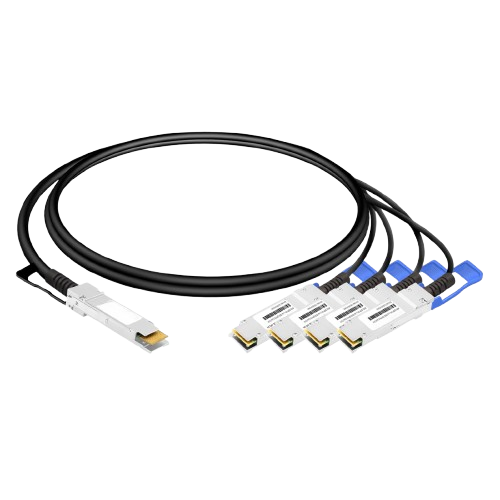
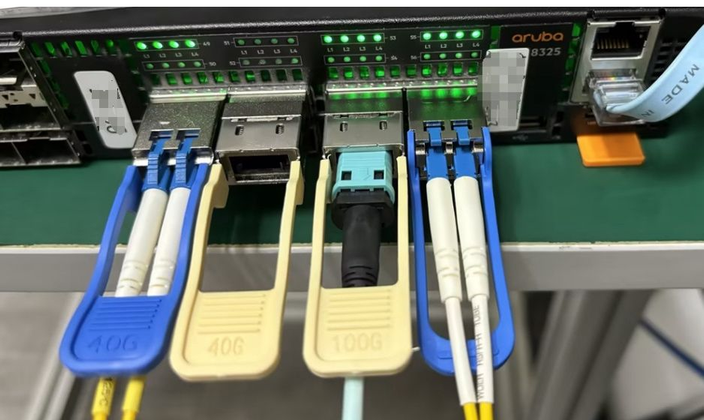
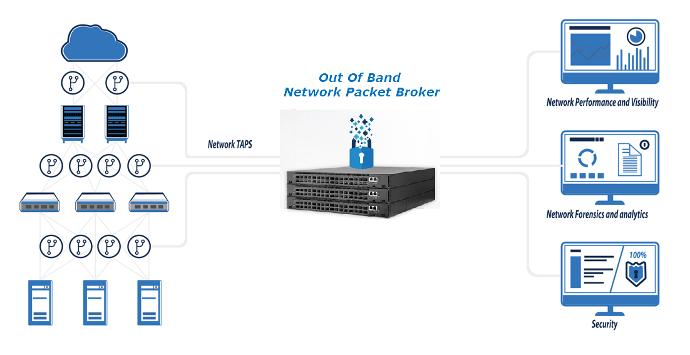
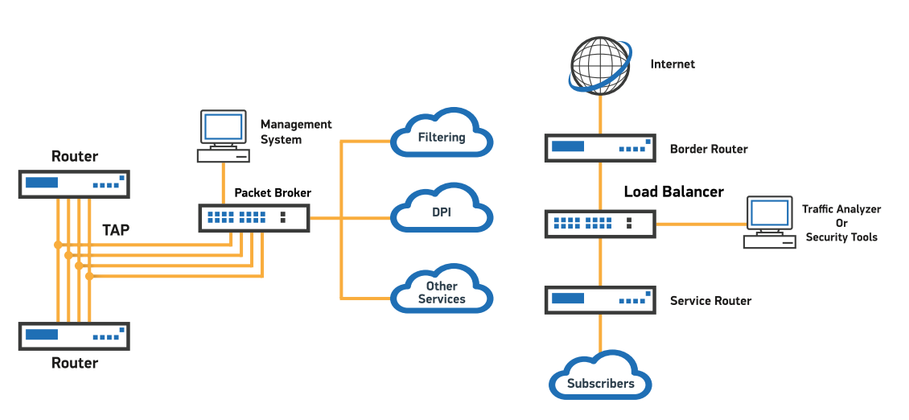
How to Monitor 10G/25G Networks with a 40G/100G Packet Broker

Your network can stay at 10G or 25G, and so can your monitoring tools. See how passive TAPs and breakout optics let a 40G/100G packet broker receive those feeds on fewer ports, and how to choose the fiber, optics and split ratio.
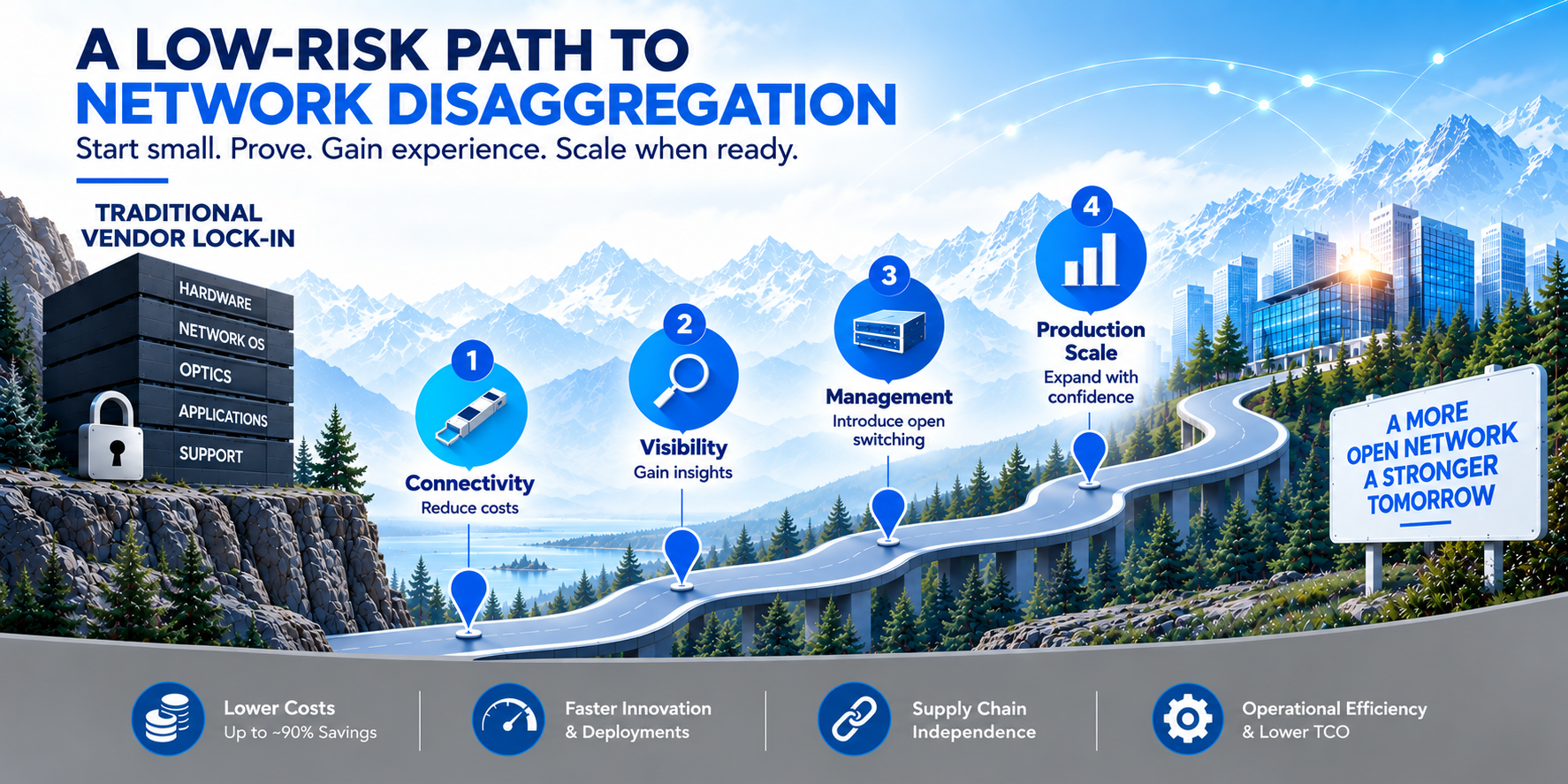
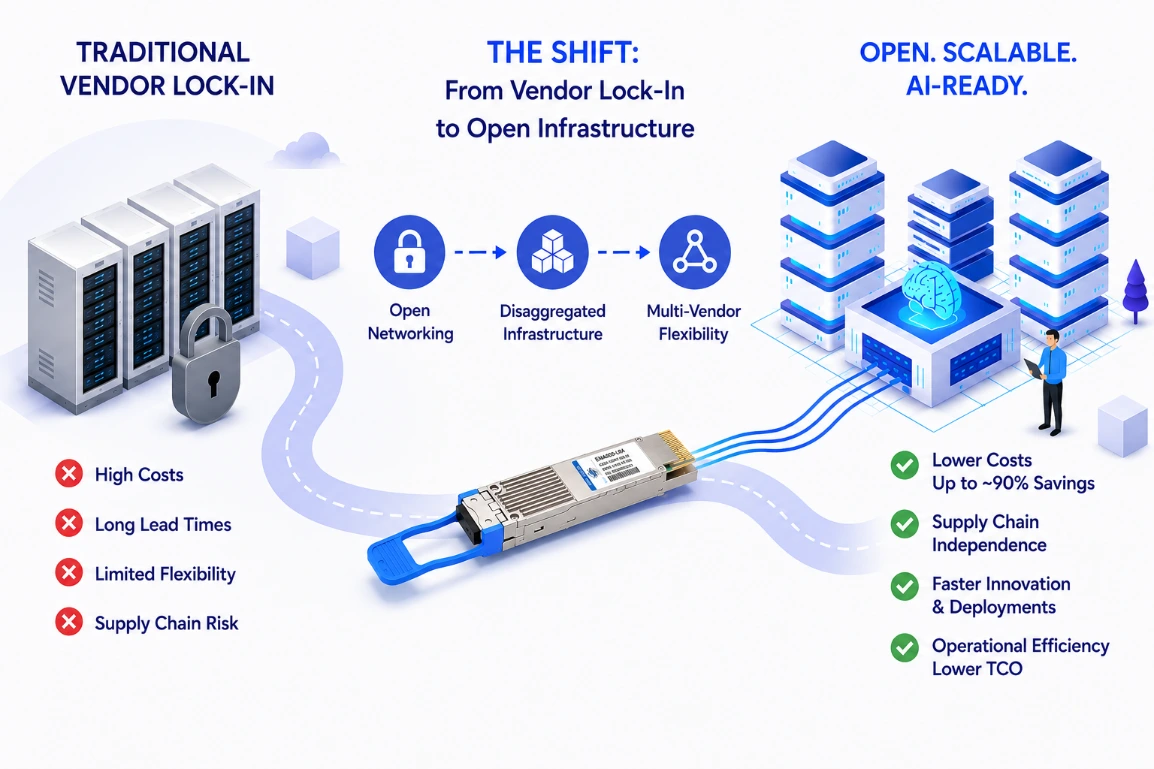
Infographic: a four-stage path to network disaggregation, from connectivity and visibility through management to production scale, leading away from traditional vendor lock-in

Unlock Your Network: A Low-Risk, Cost-Effective Path to Open Networking

Open networking does not have to begin with replacing a switch. A qualified third-party optic, a disaggregated packet broker, or a SONiC lab build can each deliver value on its own. Follow a staged path from one validated link to production, with the qualification, support, and cost questions to answer at every step.

Stone columns and a carved cornice viewed from below

Is Your Source of Time Resilient? Why Trusted Timing Matters for Canadian Financial Institutions

Reliable timestamps support payments, security investigations and network operations. Explore how GNSS protection, holdover and redundant references keep financial infrastructure aligned when its primary time source can no longer be trusted.

Precision timing infrastructure supporting an AI data center

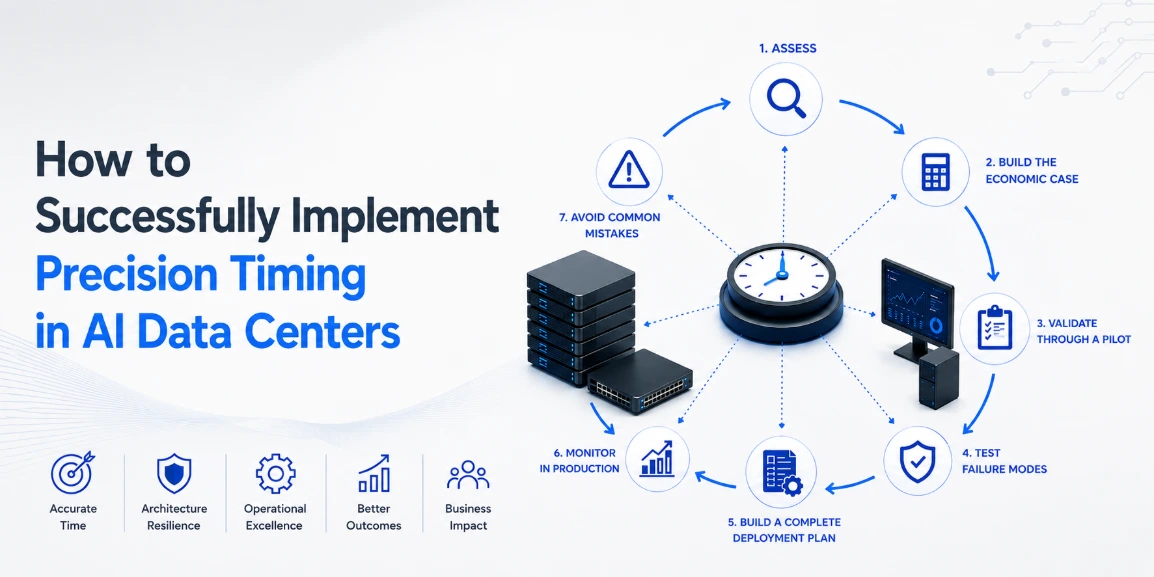
How to Successfully Implement Precision Timing in AI Data Centers

Start with the operational problem, measure the timing service already in place, and prove any change through a representative pilot. This guide covers readiness, failure testing, monitoring, and clear production ownership.

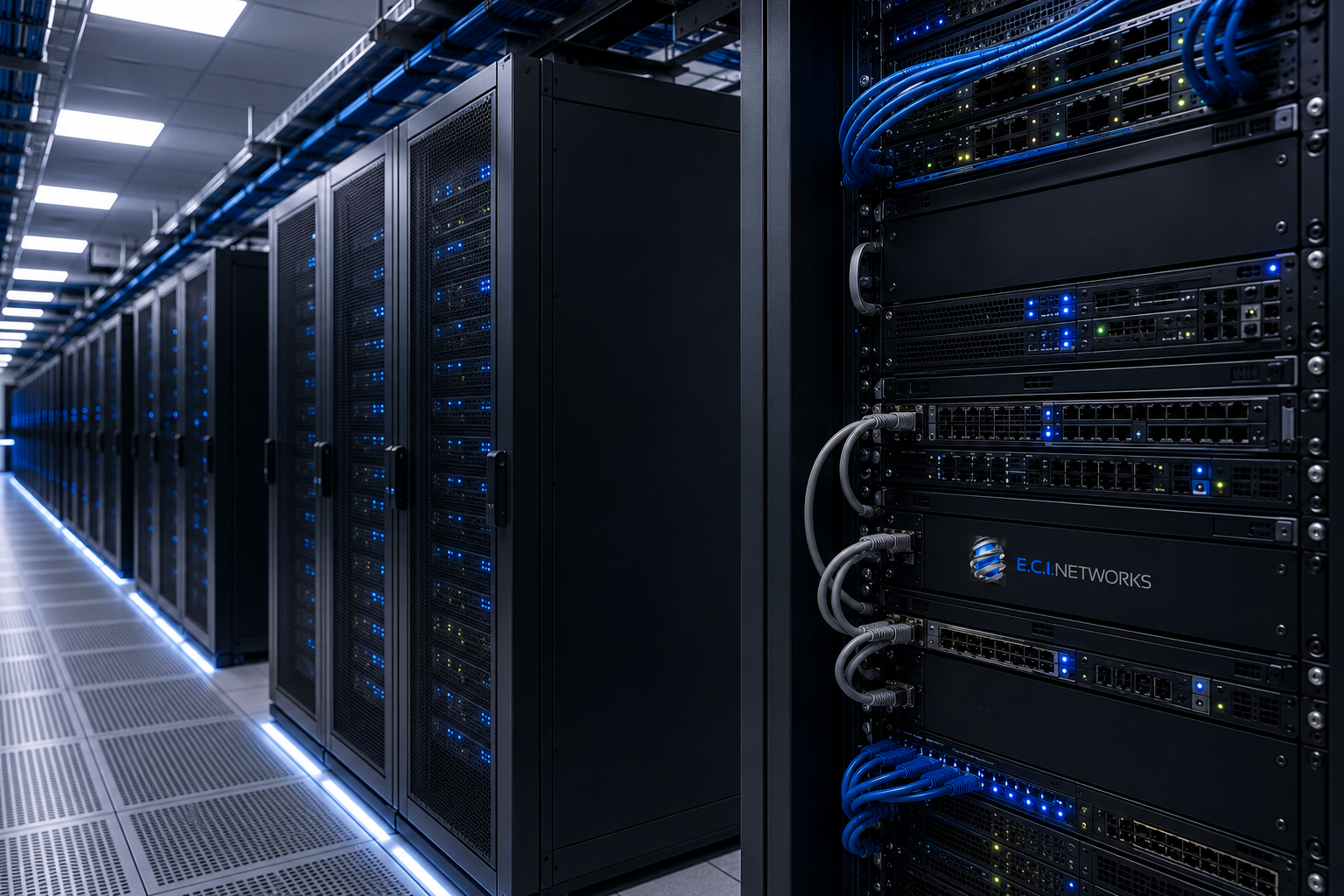
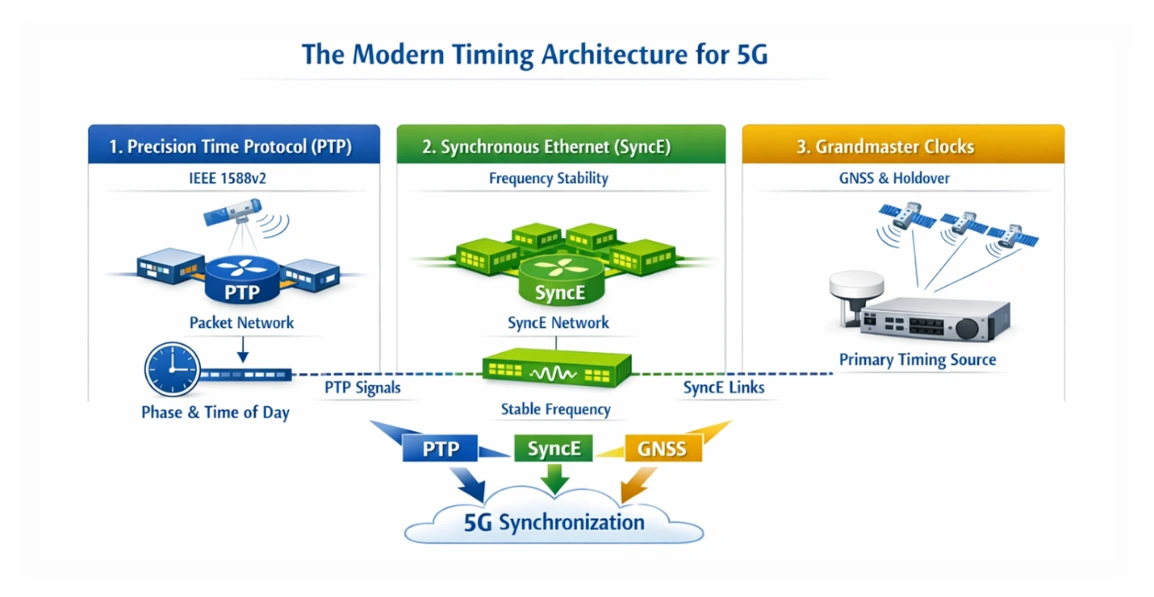
Timing architecture for an AI data center

Designing a Practical Timing Architecture for AI Data Centers

PTP is not one appliance. It is a signal path from the reference and grandmaster through the network to every critical endpoint. This guide covers accuracy, failover, holdover, monitoring, and realistic commissioning tests.

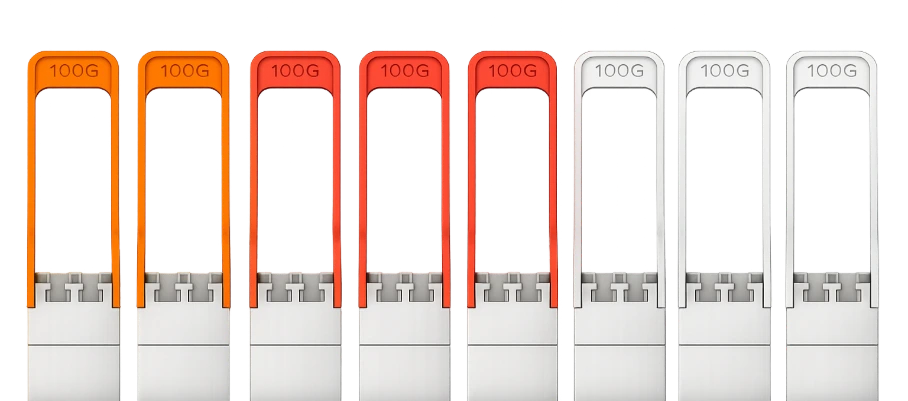
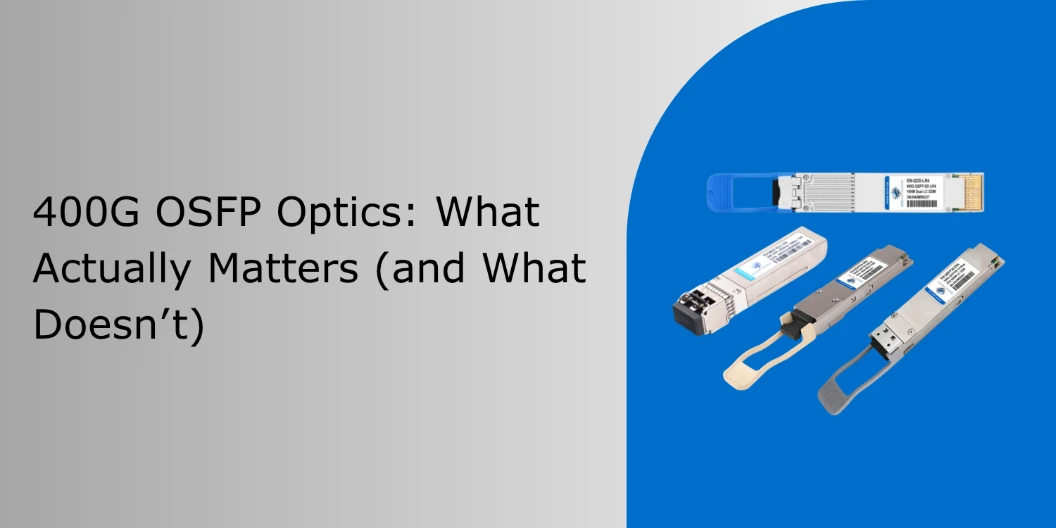
The Rise of 100G SFP Form Factors

QSFP28 built the 100G era on four electrical lanes. SFP-DD, DSFP and SFP112 now deliver the same speed in half the front panel width, doubling the ports a rack unit can terminate. See how the four connectors differ and where each one actually belongs.